What should I check first at home?
Start with touch: genuine stone stays cool in your hand longer than glass, and plastic feels light. Then use a loupe to look for round gas bubbles and any mold seam at the drill hole - both point to man-made material. Finally, scan the strand for natural variation in hue, transparency, and inclusions; cookie-cutter sameness suggests glass.
These checks won't identify species, but they'll separate stone from glass fast. When in doubt, compare with known-good strands and trusted references from trade groups and gemology sources.
What should I see under a loupe?
Natural beads often show inclusions, color zoning, crystal textures, or cleavage traces, depending on the species. Glass typically shows round gas bubbles, flow lines, and sometimes a mold seam near the drill hole. These loupe clues are classic tells and are emphasized by gemology references on glass simulants.
- Natural: inclusions, growth textures, subtle color zoning, or cleavage traces.
- Glass/plastic: round bubbles, flow lines, mold seams at holes, and smoother wear; stone chips more crisply.
Why does temperature and heft matter?
Stone has higher thermal mass, so it starts cool and stays cool longer than glass; plastic tends to feel near room temperature and noticeably light in the hand. As you hold it, glass usually warms quickly, while stone remains cool. Compare similar strands for a fair read.
How much variation should real beads have?
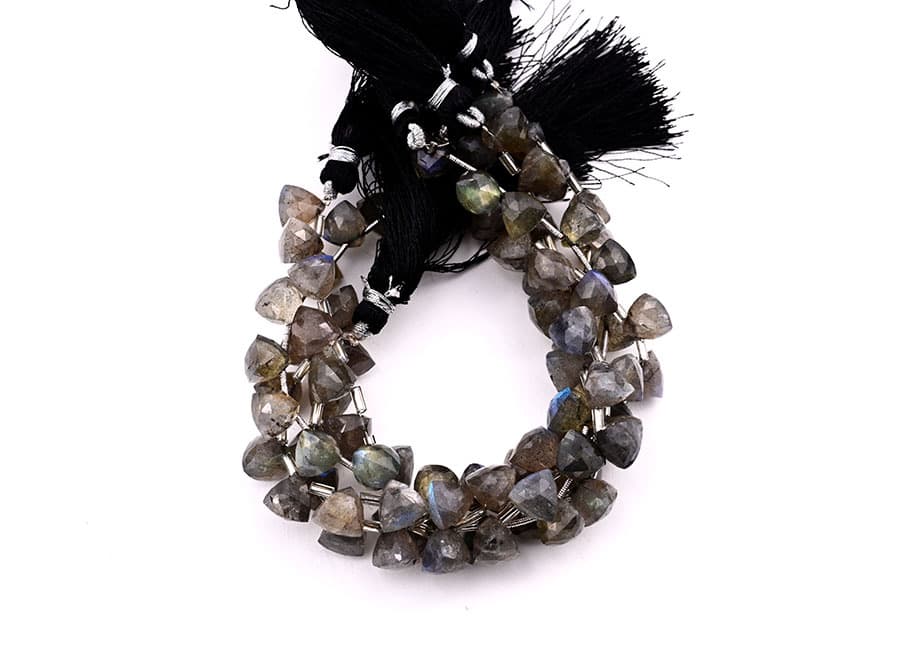
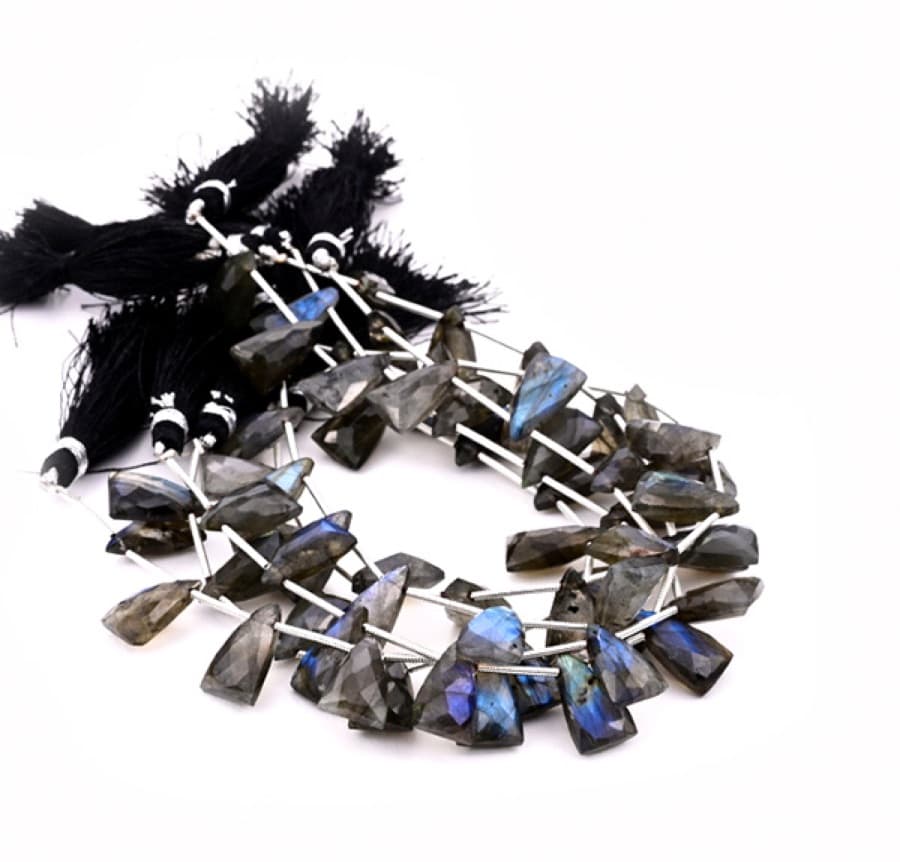
Expect some bead-to-bead differences in natural material: hue shifts, inclusions, or effects like labradorescence appearing at different angles. Uniform, cartoon-bright color and identical transparency across every bead often point to glass.
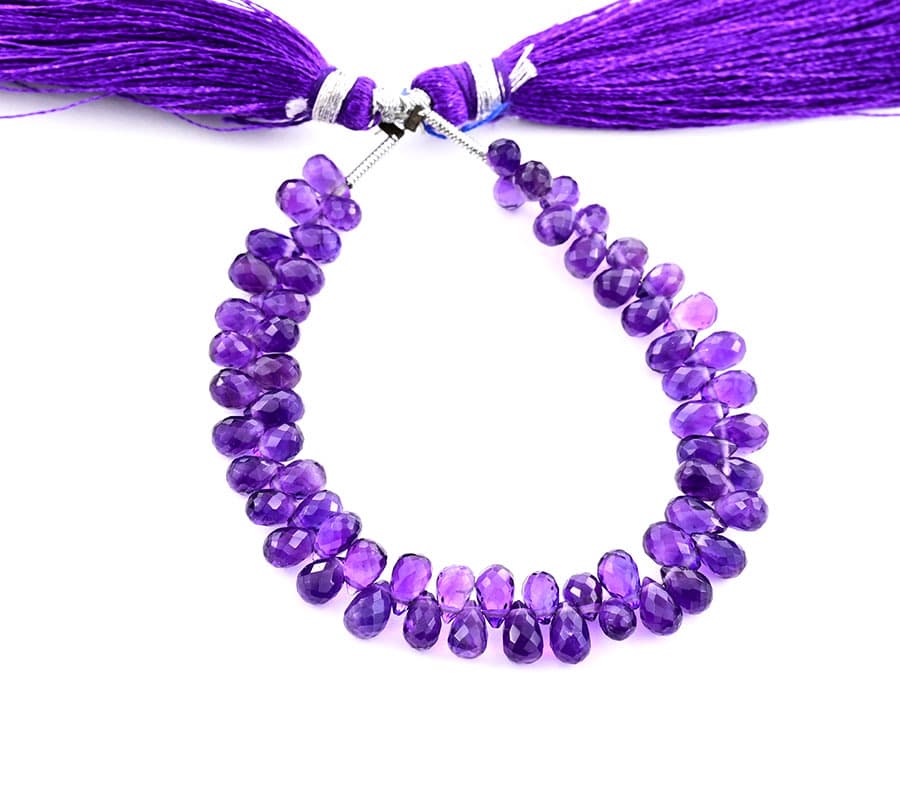
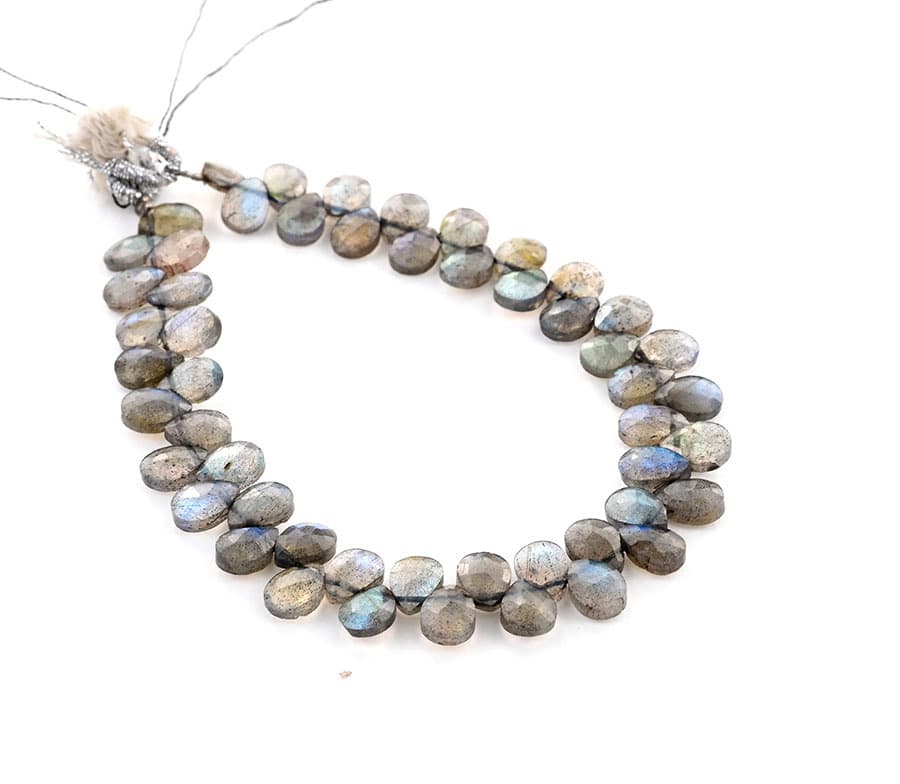
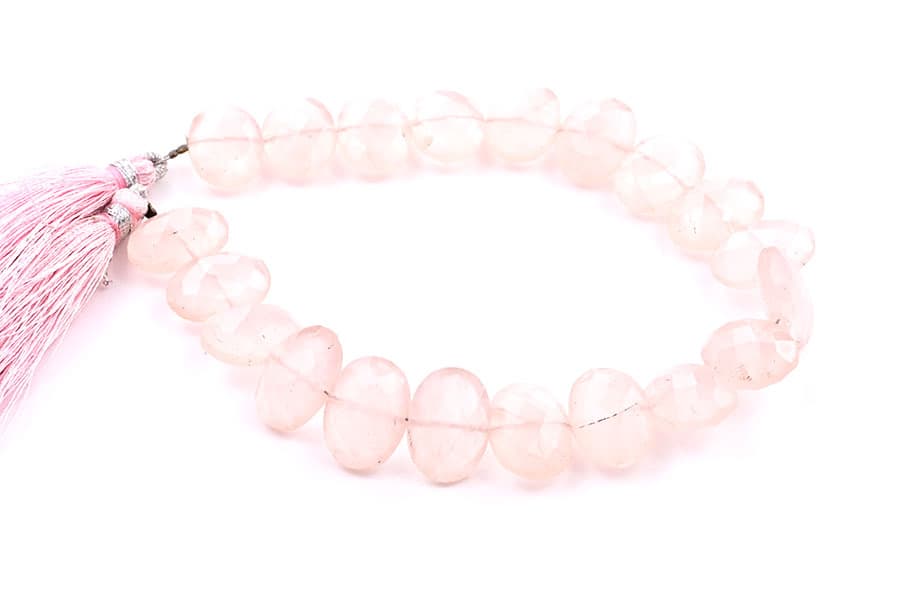
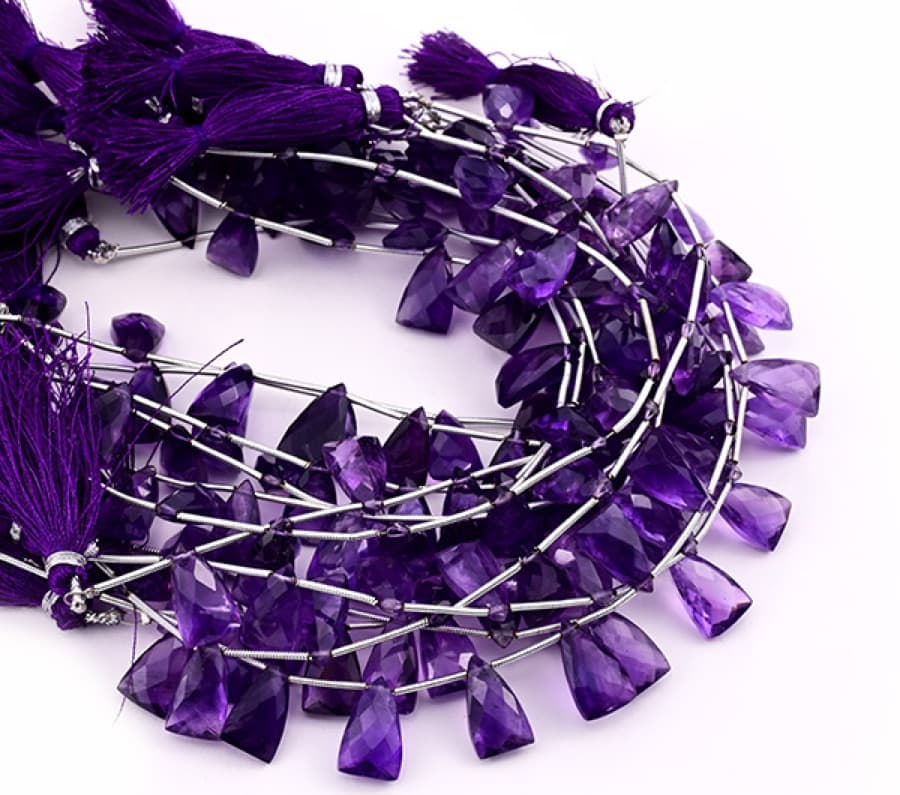
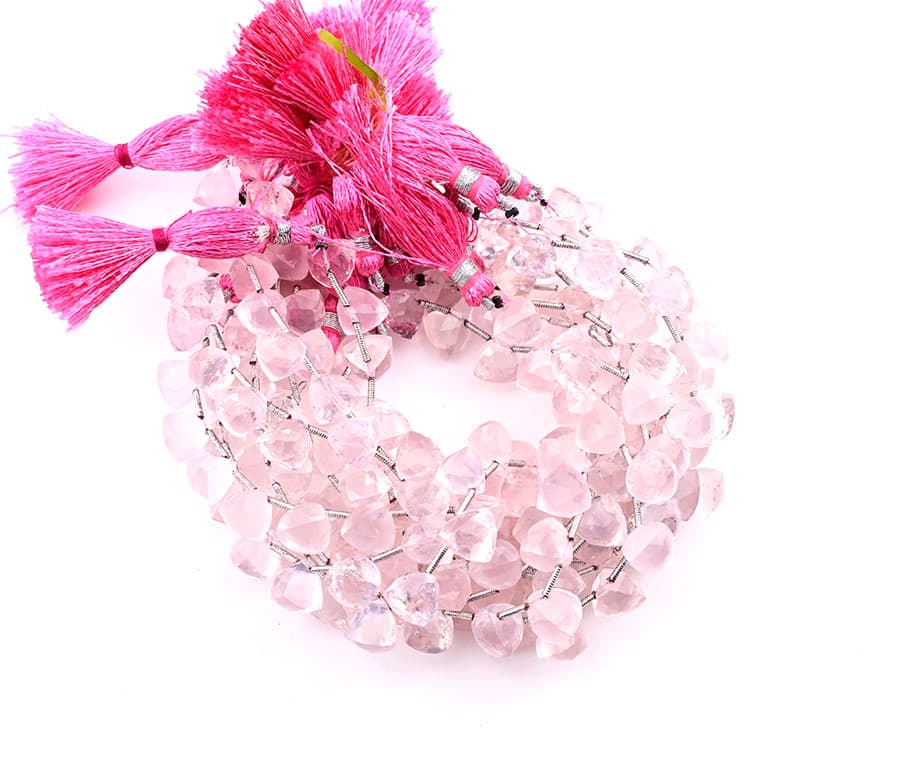
Use species cues: medium to dark purple with flashes is a strong amethyst sign (amethyst guide). Labradorite should show blue or multicolor flash at angles (labradorite guide). Rose quartz is always softly hazy, not crystal-clear (rose quartz guide).
Can I do a scratch test without ruining beads?
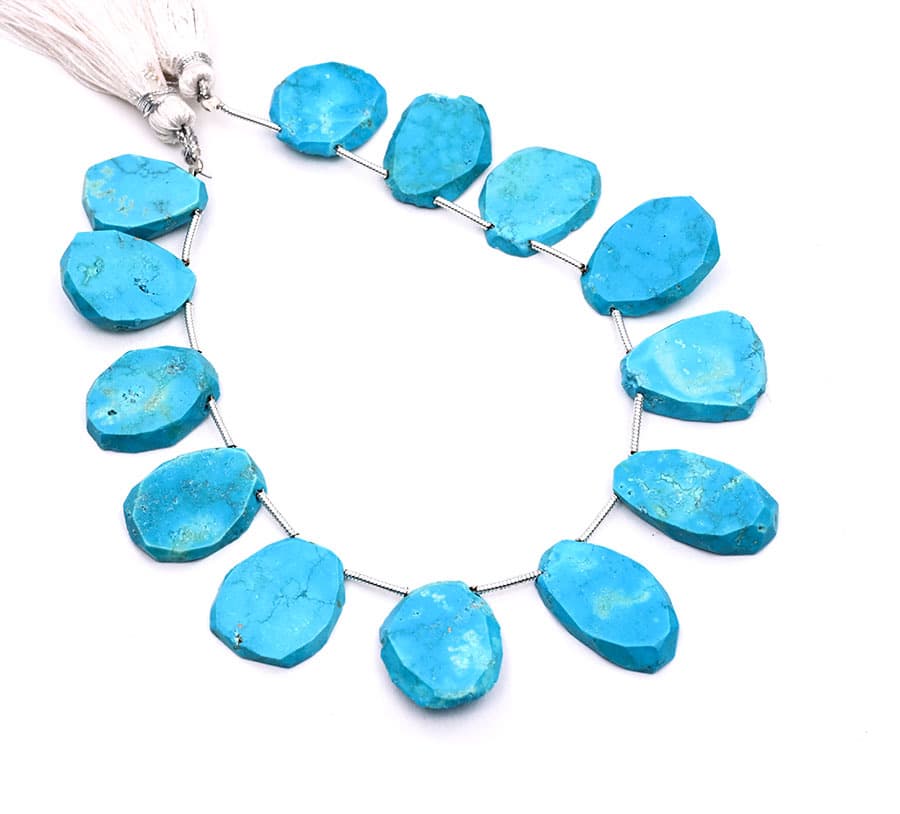
Hardness helps separate look-alikes, but scratching finished beads is risky. Amethyst and rose quartz are Mohs 7; labradorite is 6 to 6.5; turquoise is 5 to 6. Purple fluorite, a known amethyst look-alike, is Mohs 4 and can be scratched by a steel pin per our amethyst notes.
If you must test, use a chip or a sacrificial end bead, and keep marks at the stringing hole where they won't show. Never drag across a polished face.
Does the price and seller info tell me anything?
Price should make sense for the stone, bead size, and strand length. A way-below-market offer for the stated material and size is a caution sign. Ask for the exact length; standard cutter strands run about 13 to 16 inches, and that affects bead count and price.
We list stone, shape, size, and cut, and we photograph the actual strand unless marked representative. You can shop our strands online and see us at shows (see our show schedule). Orders by WhatsApp +1 408-702-7405 or tandongems@outlook.com. US shipping is free over $100.
Can you show me real strands to compare?
Compare loupe clues and variation on these live listings: Amethyst 9x15mm Faceted Pyramid, Labradorite 9x10mm Faceted Trilliant, and Rose Quartz 9x10mm Faceted Trilliant. Note natural zoning in amethyst, directional flash in labradorite, and the inherent haze in rose quartz.