What formula should I use to price a beaded piece?
We keep it simple: materials at per-bead cost plus labor at your hourly rate, then multiply by two for wholesale, and multiply by two again for retail. To get per-bead cost, count the beads on the strand and divide the strand price by that count. A 13 inch or a 16 inch strand uses the same math, because count is what matters.
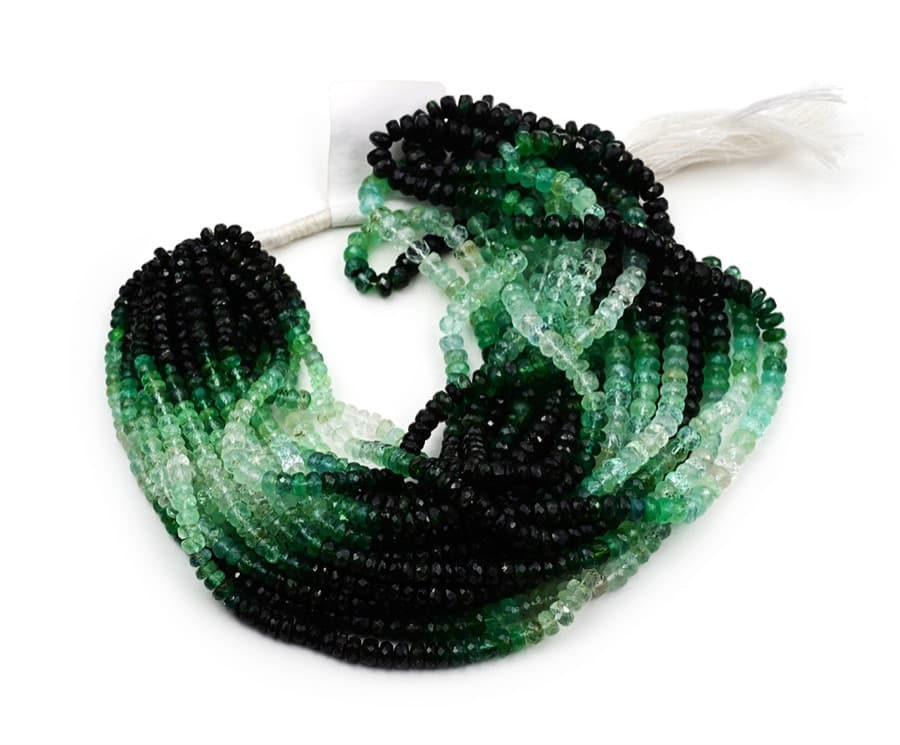
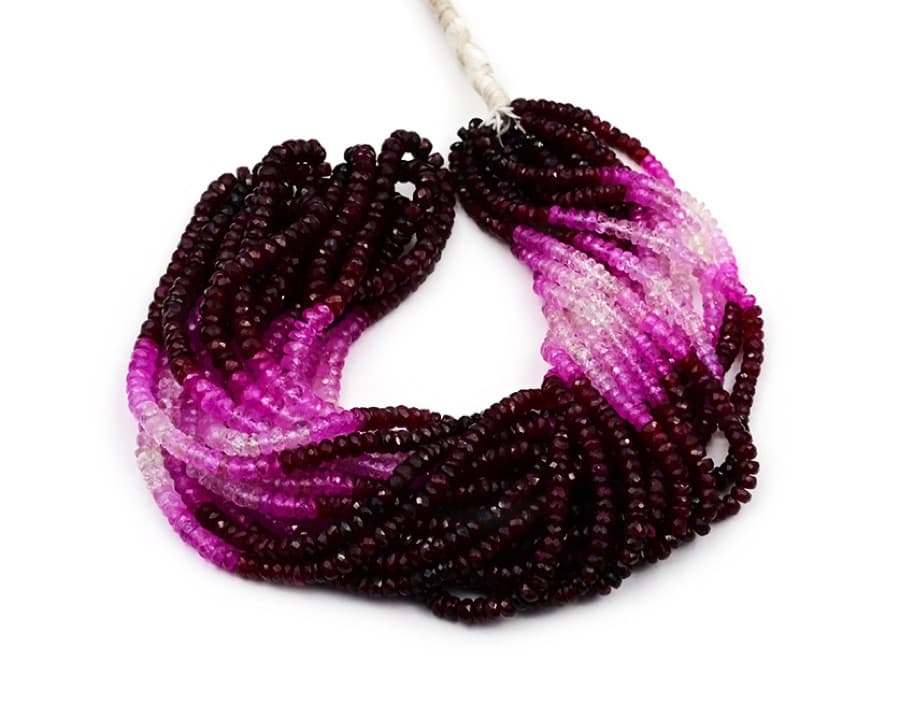
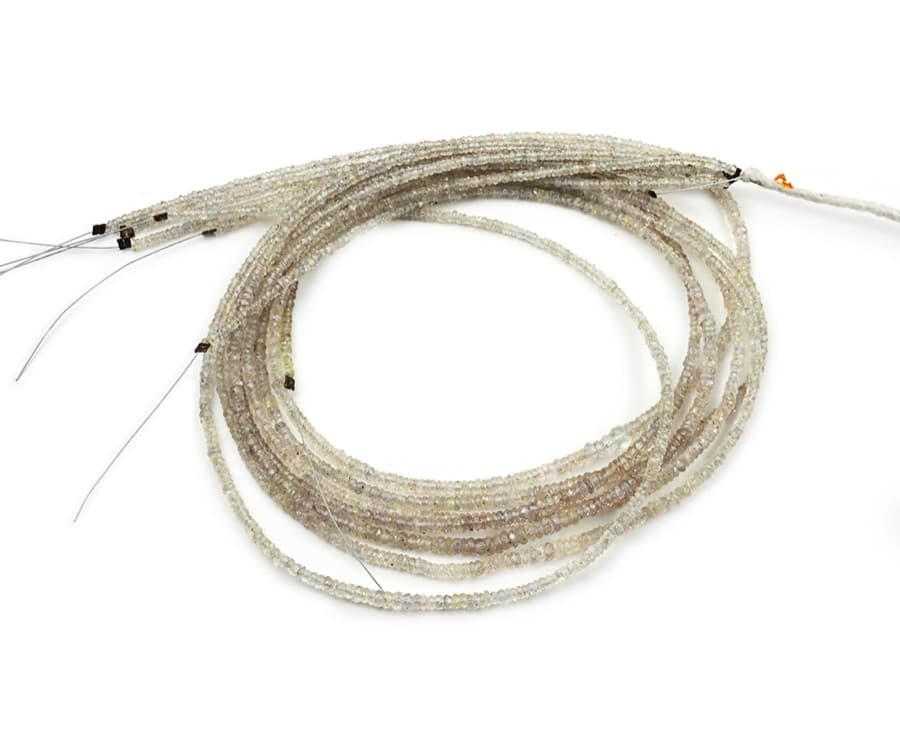
Example using rondelles: our Sapphire Gray 3 to 4 mm Faceted Rondelle (GS1611) is priced per strand. A 15 to 16 inch strand of 4 mm rondelles has about 95 to 100 beads, so your materials per bead comes out to roughly the strand price divided by that range. Rondelles are the workhorse shape, more on them here: rondelles.
How do I get per-bead cost from a strand?
Use this quick worksheet any time you pull a strand. It keeps pricing consistent across different sizes and shapes.
- Write the strand SKU and price.
- Count the beads on the specific strand. Use a photo clicker or mark every tenth bead.
- Per-bead cost = strand price ÷ bead count.
- For sets, group by size. If a strand has mixed sizes, note counts per size.
- Add findings and a clasp as a materials line.
How many 6 mm beads do I need for common lengths?
Plan the beadable length first, then decide how much of a strand you'll use. Common finished lengths are bracelet 7.5 in, choker 16 in, princess 18 in, and matinee 22 in, and you should allow about 1.5 in for clasp and findings.
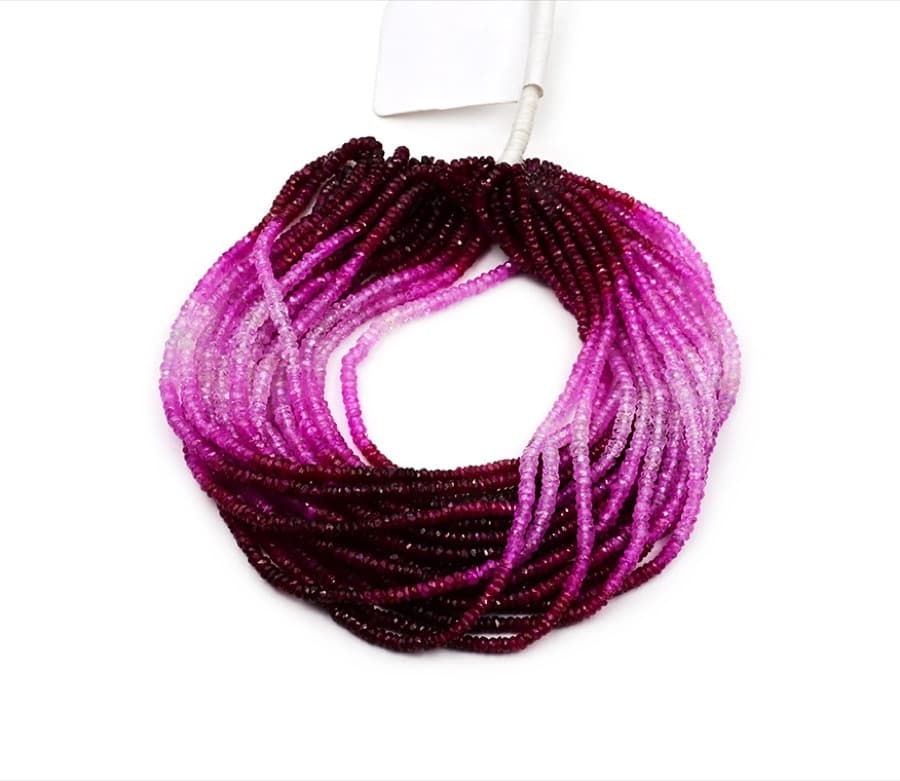
A 15 to 16 inch strand of 6 mm rondelles has about 65 to 70 beads. That means a single strand comfortably covers most bracelets and many necklaces, with extras for earrings. For 8 mm rondelles, plan on about 48 to 52 beads per 15 to 16 inches; for 4 mm, about 95 to 100.
What hourly rate and time should I plug in?
Pick an hourly rate that pays you for skilled work and reflects your market. Track actual bench time for stringing and for finishing. Add time for design or sales when you quote custom work. Labor is firm, so keep it separate from materials and do not discount it in a rush.
Many jewelers include a small setup minimum for short jobs. Community discussions echo this approach, see Ganoksin's threads in our sources.
How do I set wholesale and retail from my cost?
After you total materials and labor, multiply by two for your wholesale price. Multiply wholesale by two again for your retail price. This keystone approach matches common practice discussed by pros on Ganoksin and keeps room for overhead and profit.
If you already allocate overhead per piece, you can keep the times 2 for wholesale. If you do not, the times 2 often covers typical overhead across a line, which is why it is widely used.
Can I price mixed strands and statement shapes cleanly?
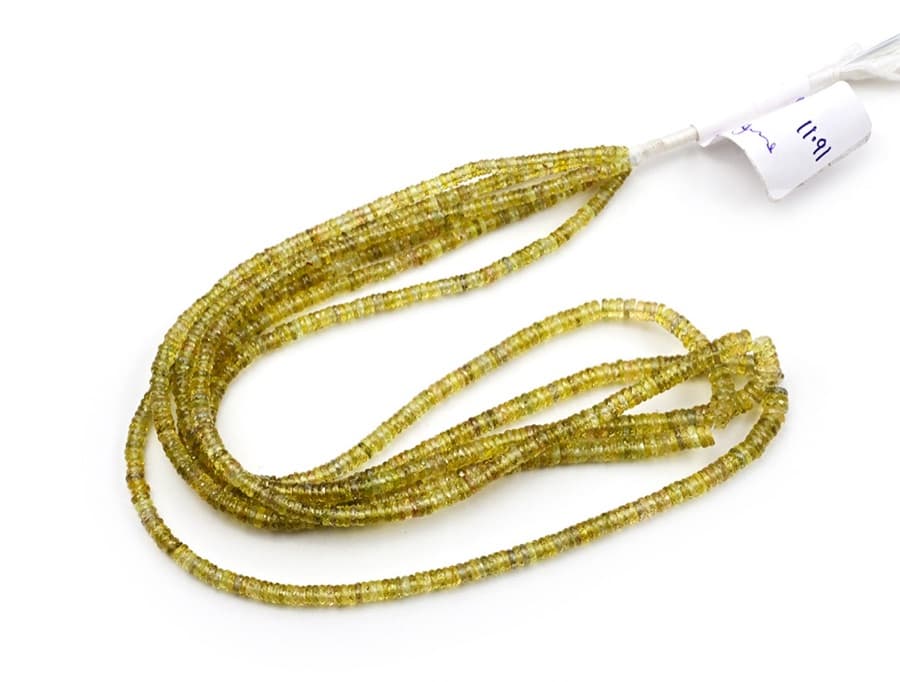
Yes. When a strand mixes sizes, compute a weighted average per-bead cost by counting each size group and dividing price proportionally. For large focal shapes, price per bead directly from the strand.
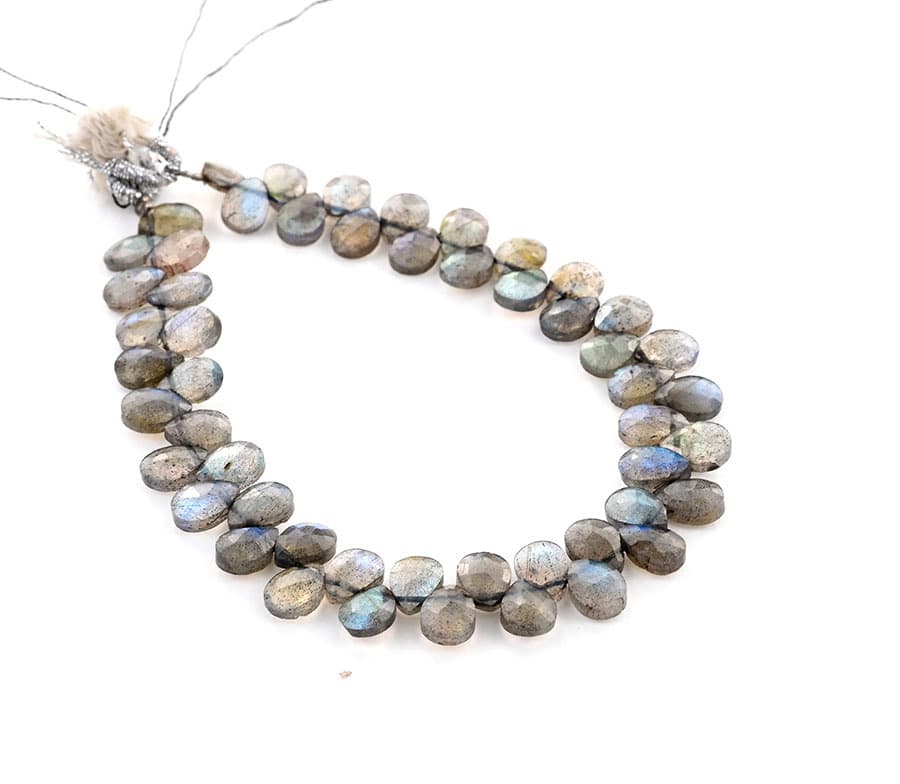
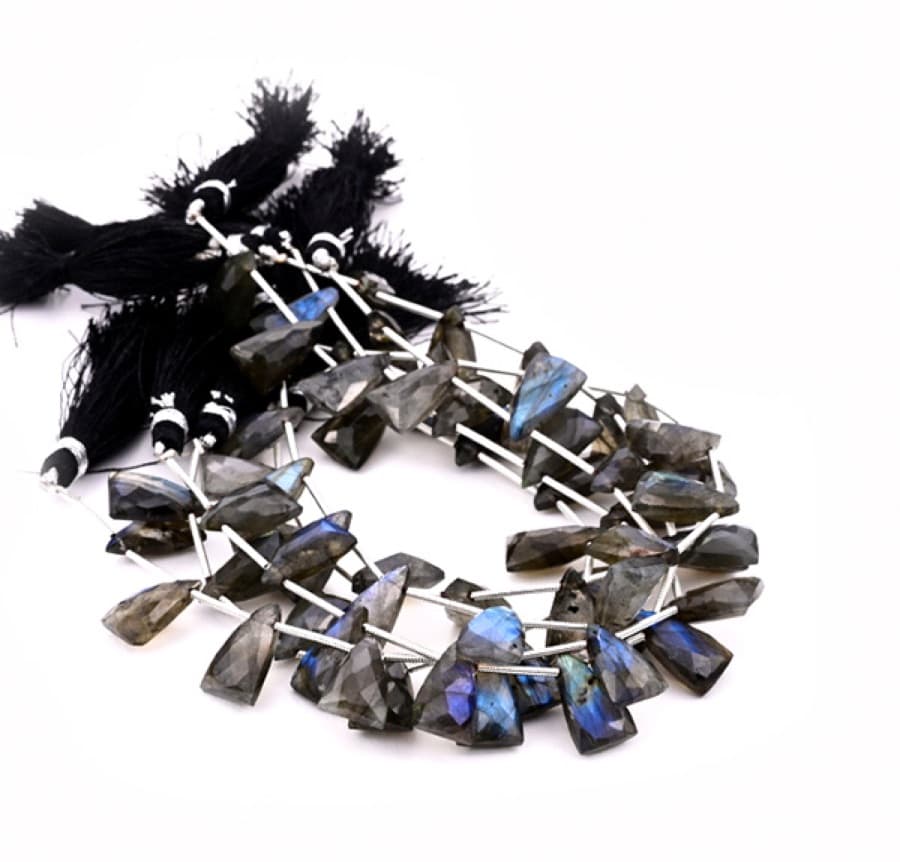
Take our Labradorite 9x15 mm Faceted Pyramid (GS109) as a statement shape. Count each bead, then divide the strand price by that count. Micro work like sapphire 2 to 4 mm rondelles benefits from per-bead math to keep earrings and chains aligned with your necklaces. We stock sapphire across sizes and colors in our sapphire guide and labradorite here: labradorite.