What humidity should I aim for?
Aim for a moderate, stable RH. Ethiopian Welo opal is hydrophane, so it absorbs water and its look can change as it takes in or releases moisture over time, especially across closed cases and changing rooms. We steer clear of very dry or very damp setups and focus on steady conditions. Do not store strands in water or under hot display lights.
For a quick refresher on what makes Welo opal different, see our Ethiopian opal guide. Its porous nature is the reason we prioritize stability over chasing a specific number.
How do I keep humidity stable in my bead cases?
Use vented plastic bead boxes or flocked trays with lids that close but still breathe. Coil strands on their temporary string and line compartments with acid free tissue. Add a humidity indicator card inside so you can see when the air drifts too dry or too damp.
To raise humidity in a very dry room, place a small open glass of water next to the case. To lower humidity, tuck a tiny silica gel sachet in the case and check the card. Make one change. Give the case hours to settle and keep it away from sunny windows and hot lamps. Go slow.
What containers do we use for opal strands?
We prefer lidded trays or boxes that are not airtight. Zip bags can work if you leave a pinhole or do not seal them fully, which lets the air equalize gradually. Avoid airtight cases. Keep cases away from heat sources and HVAC vents. Standard Jaipur strands are 13 to 16 inches, so coils sit comfortably in small compartments.
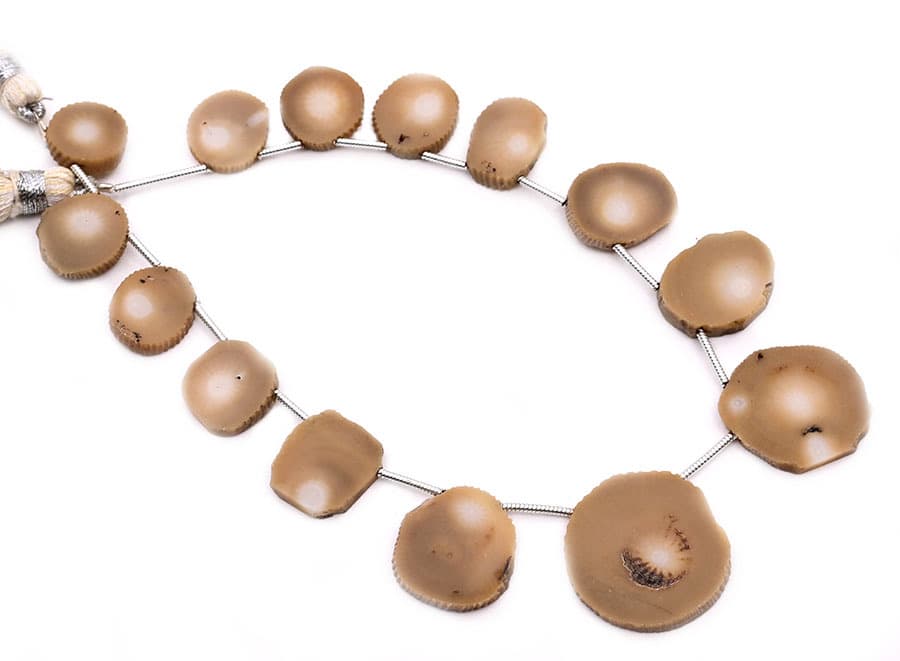
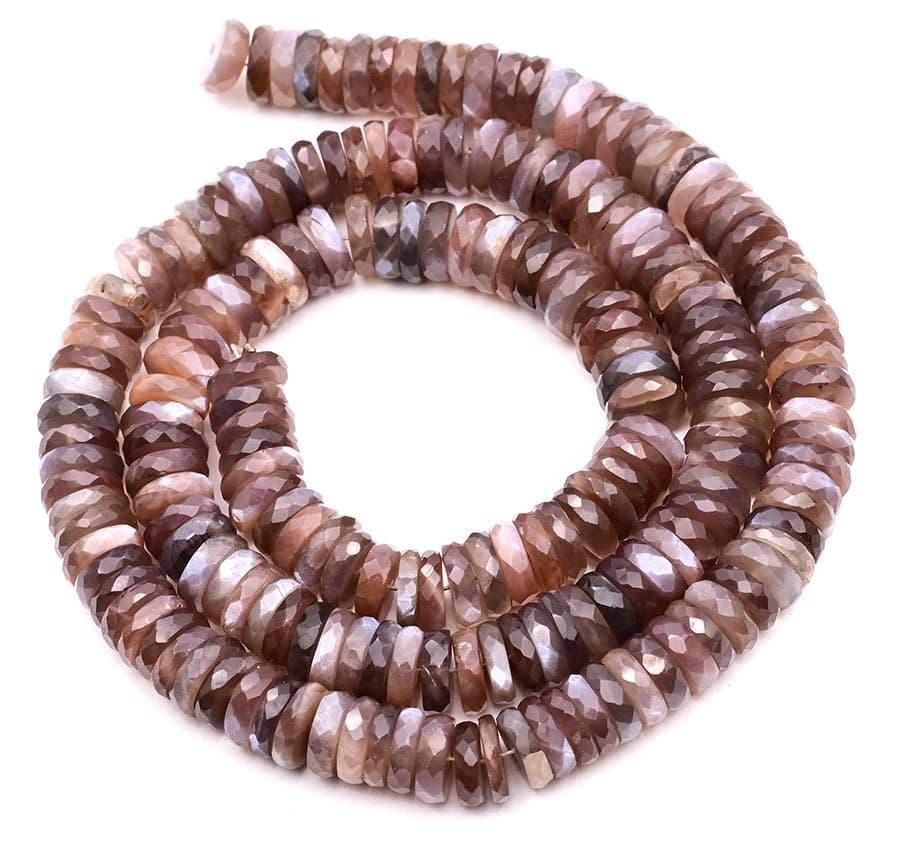
Most opal strands we handle are smooth rondelles and drops. Rondelles stack neatly and like flat coils that do not kink the temporary string. Read about the rondelle shape here. For properties that affect storage, see our Ethiopian opal guide.
What should I do if beads got wet or look cloudy?
Hydrophane opal can take in water and look clearer or cloudy, then return as it dries. Let strands dry slowly for a few days in a shaded, ventilated box. Do not use heat guns, radiators or hair dryers. Do not rush.
Avoid sealing them with a large desiccant while drying, which can pull moisture out too fast. Tara Tandon here: after a foggy morning in the studio, a few coils looked glassy. We left them in a vented tray and they recovered over several days. Patience beats forcing a quick dry every time.
How do I store finished opal jewelry at home?
Keep finished pieces in a small covered tray or box in a closet or drawer, away from bathrooms and sunny windows. Move them slowly between rooms with very different air. Keep it cool. If you restrung the beads with knots, remember each knot adds about 1 mm, which slightly opens the spacing and can change airflow around beads.
- Beaded run on a 16 inch choker is about 14.5 inches.
- Beaded run on an 18 inch necklace is about 16.5 inches.
How does climate affect my storage plan?
In very dry climates, add a nearby water glass and keep lids closed when you are not working. In very humid climates, use small desiccant sachets and more ventilation. Across climates, moderation and slow changes are the goal. Small moves only.
If strands arrive from a supplier that kept them in water, dry them slowly before stringing. Hydrophane Ethiopian opal should not be immersed for storage. Let the air around the strands settle first, then size and plan the project.