What's the cleanest way to split a strand's cost?
We keep it simple and audit friendly. First, pull and set aside any chipped, badly off-size or off-color beads you would not sell as firsts. Count the remaining usable beads, then divide the strand's cost by that number to get material cost per bead. Each time you pick a matched pair, book two beads against the strand and reduce the strand's remaining cost accordingly.
We recommend keeping the cost per bead uniform and taking the extra value of beautifully matched pairs on the pricing side. That keeps your inventory math stable, especially when you later string bracelets or necklaces from the remainder. Rondelles are the most common case, and our rondelle shape notes explain how size is measured, which helps you match by height as well as diameter.
How many pairs can I expect from a strand?
That depends on size, length and how strictly you match color and height. A 15 to 16 inch strand of 6 mm rondelles has about 65 to 70 beads, which yields about half that in pairs if every usable bead qualifies. Real life matching will trim that. For 8 mm, a similar strand has about 48 to 52 beads, so expect fewer pairs.
- 6 mm rondelles on 15 to 16 inch strand: about 65 to 70 beads.
- 8 mm rondelles on 15 to 16 inch strand: about 48 to 52 beads.
 New
New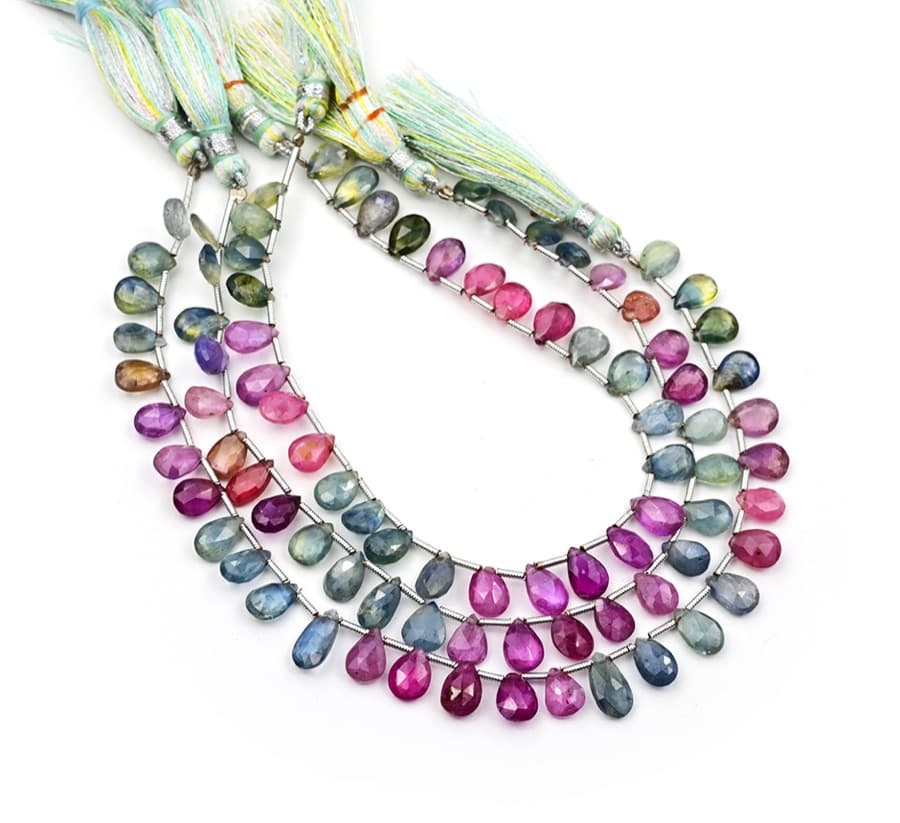 New
New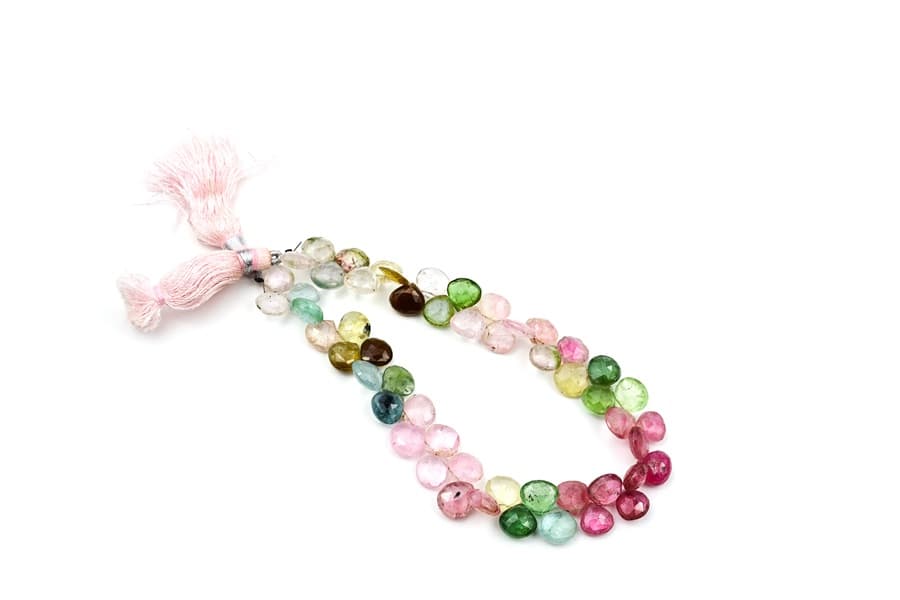
How do I assign cost to matched earring pairs?
Use your cost per bead. A pair consumes two beads, so the pair's material cost is two times that figure. If you are pulling from a graduated strand, segment first. Count beads in the size band you are using for earrings, compute a cost per bead for that band by count, and allocate pairs from that band's rate.
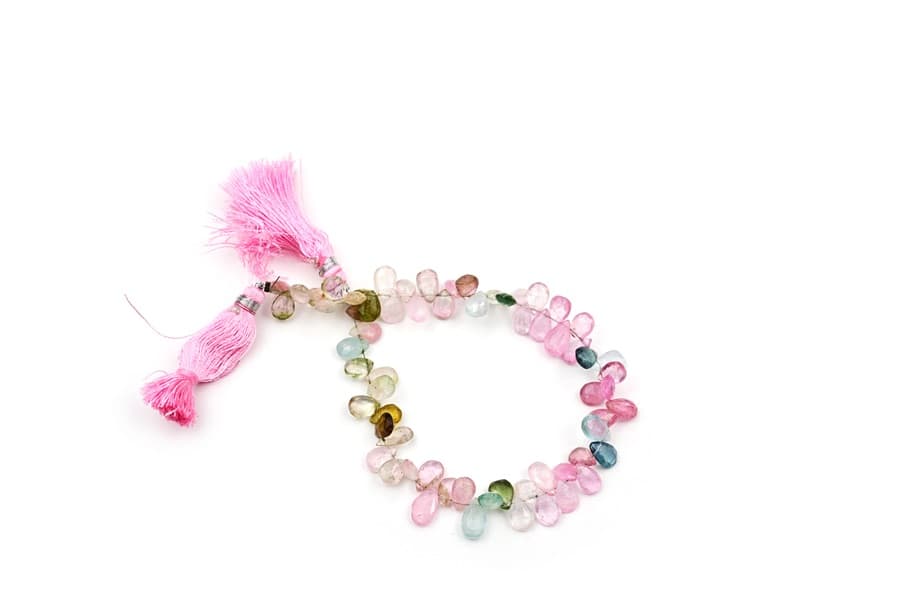
For color-forward strands like tourmaline, we sort the whole strand into tight color and height groups, then pair inside a group. For sapphire micro-facets, especially the fine cuts we stock in sapphire, height matching often matters more than diameter. Consistent pairing criteria keeps your costing and your look consistent.
How should I price each earring pair?
After material cost, add labor and apply your pricing method. Many jewelers double to two and a half times materials for retail, then add labor at an hourly shop rate. Published guidance suggests using a realistic hourly rate and multiplying material cost to reach a retail that covers overhead and profit.
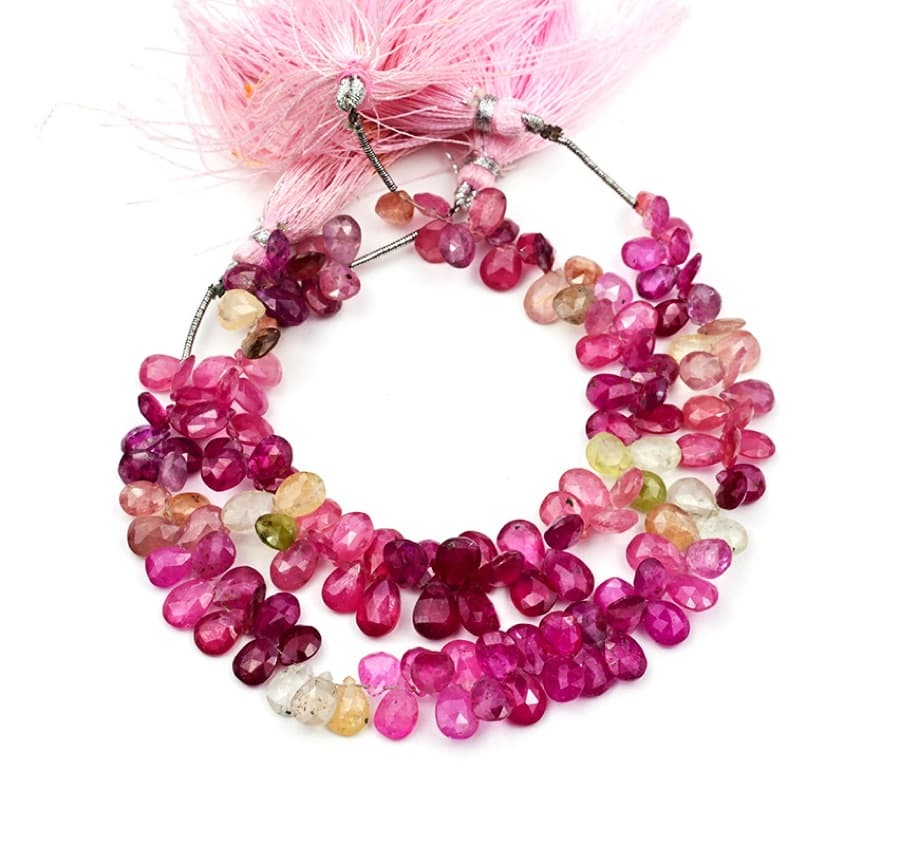
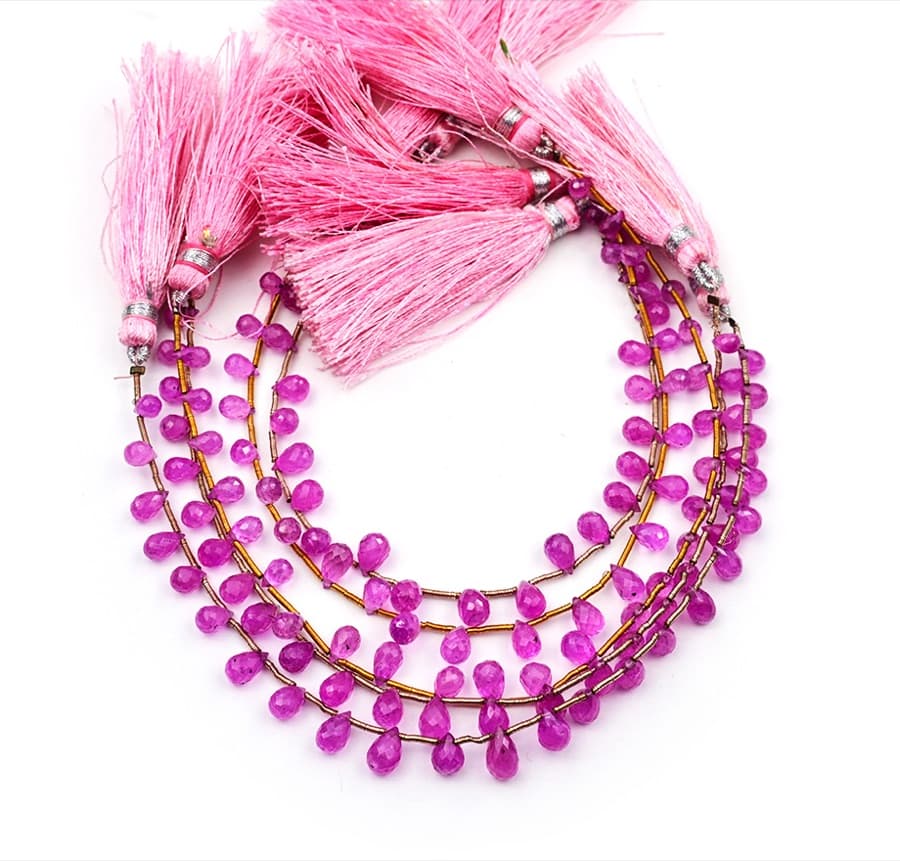
We keep matched-pair pricing consistent within a strand. That way a greener or pinker pair from the same tourmaline mix is priced by the same rules. For pears and teardrops like our Natural Multi Umba Sapphire Pears or Natural Pink Sapphire Tear Drops, account for the wire-wrapping time in your labor line.
What do I do with the leftover beads and their pricing?
Keep an inventory card or spreadsheet for each strand. Track total usable beads, cost per bead, beads pulled for pairs, and the strand's remaining cost. When you string a bracelet or necklace later, your material cost is beads used times the same cost per bead.
Bead math helps you plan yield. A 7.5 inch bracelet uses about 25 of 6 mm, about 19 of 8 mm, and about 15 of 10 mm. An 18 inch necklace uses about 70 of 6 mm and about 52 of 8 mm. Use those counts to forecast how many bracelets or necklaces your remainder will cover.
- 7.5 inch bracelet beaded run about 6 inches: 6 mm about 25, 8 mm about 19, 10 mm about 15.
- 18 inch necklace: 6 mm about 70, 8 mm about 52.
How do I handle graduated, focal or slice-heavy strands?
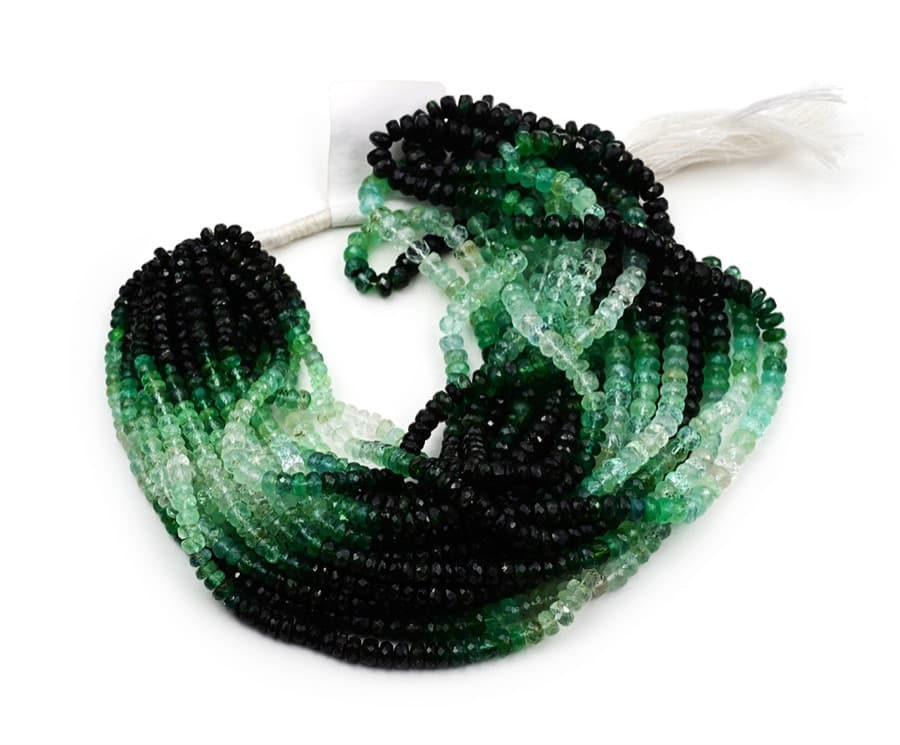
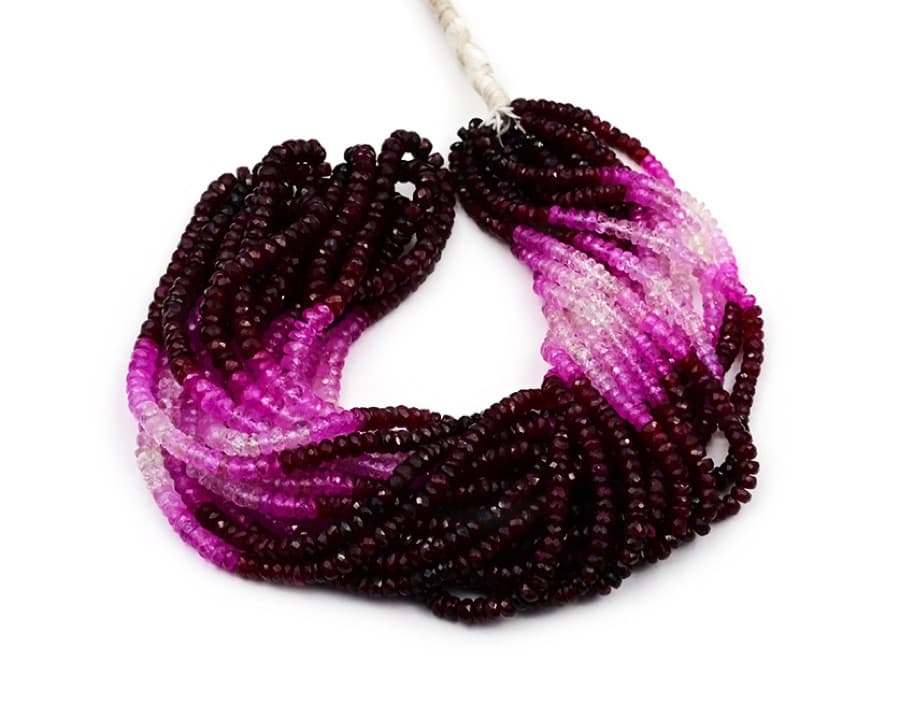
Segment the strand into tiers by size or by role. Assign a cost per bead to each tier by dividing the strand's cost across tiers in proportion to bead counts in those tiers. Pull earring pairs from a single tier so the pair looks balanced, and charge labor appropriate to the setting style.
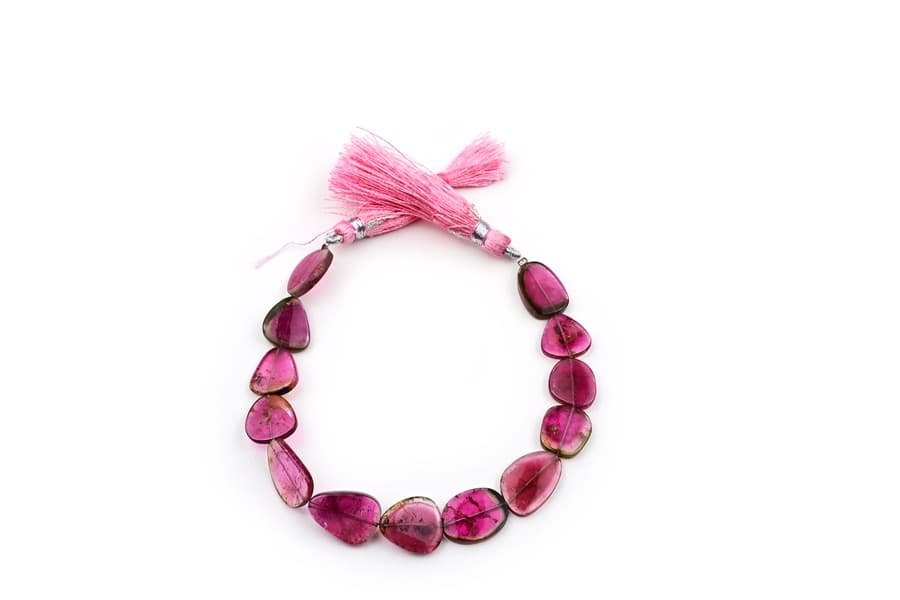
Reserve true focals or slices for separate SKUs in your inventory. For example, if you plan statement earrings from Afghani Tourmaline Pears or a pendant from Watermelon Tourmaline Slices, treat each focal as its own item with its own material and labor lines.
Do earrings have to be priced lower than similar pendants?
Some buyers expect earrings to be priced keenly, but your numbers should come from materials, labor and your chosen markup. If a pendant uses one bead and an earring pair uses two of the same grade plus more assembly time, the earrings can price higher and still be fair. Keep your method documented so you can explain it with confidence.