How do I inspect a strand in 60 seconds?
We keep this fast and methodical at shows. These six checks catch most issues before you buy. Do them in order so you do not miss anything.
- Run the strand through your fingers to feel chips, cracks, or flat spots.
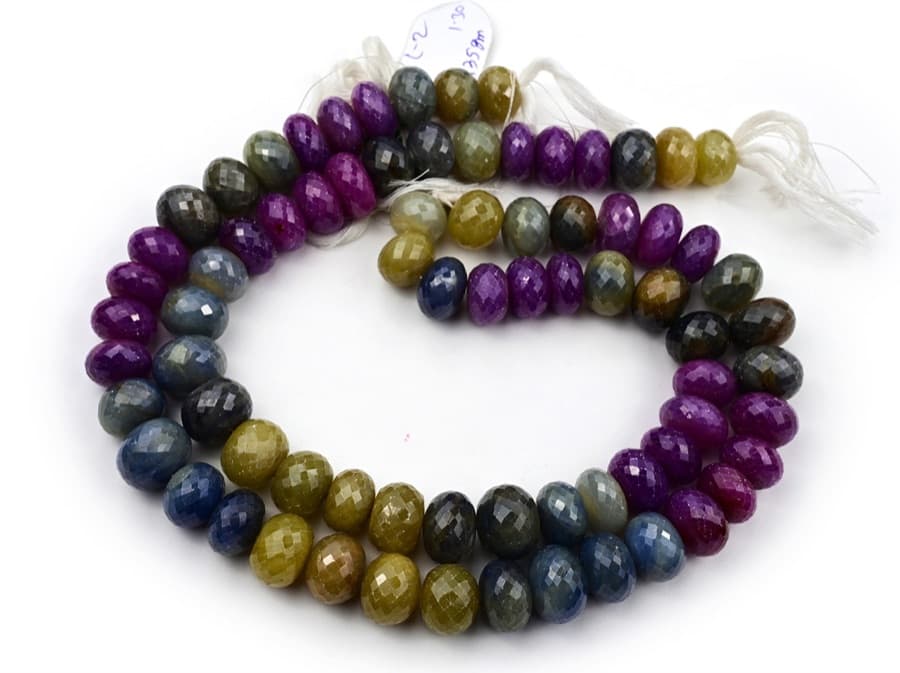
- Hold it to bright light on a white card to judge even color and saturation.
- Use a loupe to inspect drill holes for chipping and centered drilling.
- Count beads and compare to the tag number.
- Inspect both ends for filler beads or short off-size pieces.
- Ask the stone name and where it was cut.
How many 6 mm beads do I need?
Plan counts before you buy so the strand you choose actually covers your project. For a 7.5 in bracelet, 6 mm beads take about 25. An 18 in necklace takes about 70. A 16 in choker takes about 61.
- Beads per inch, 6 mm about 4.2
- 7.5 in bracelet, 6 mm about 25 beads
- 18 in necklace, 6 mm about 70 beads
- 16 in choker, 6 mm about 61 beads
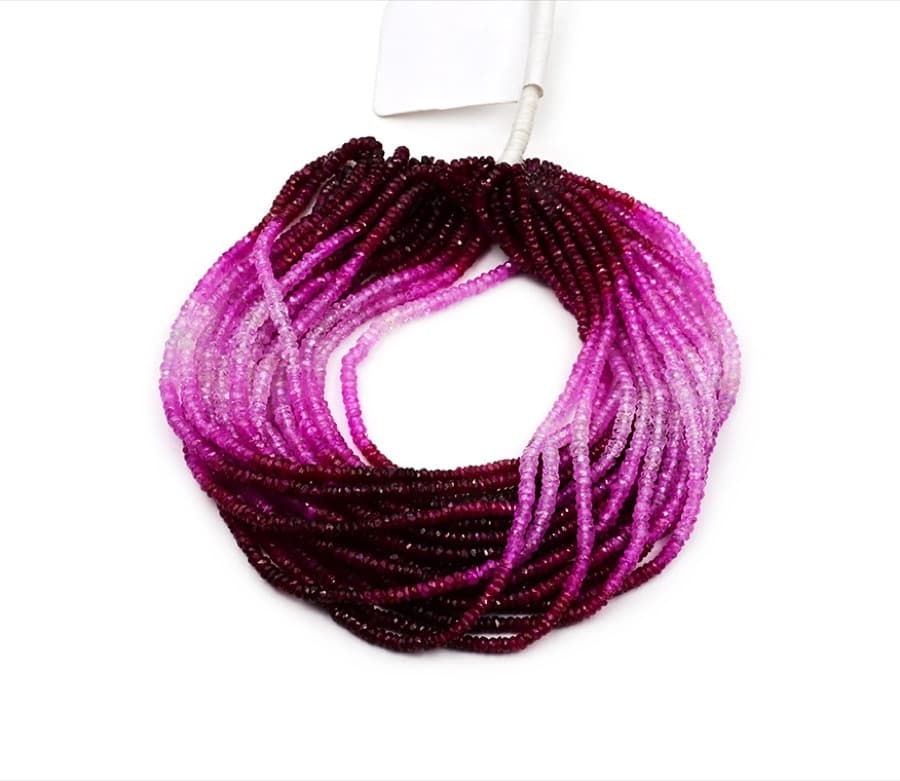
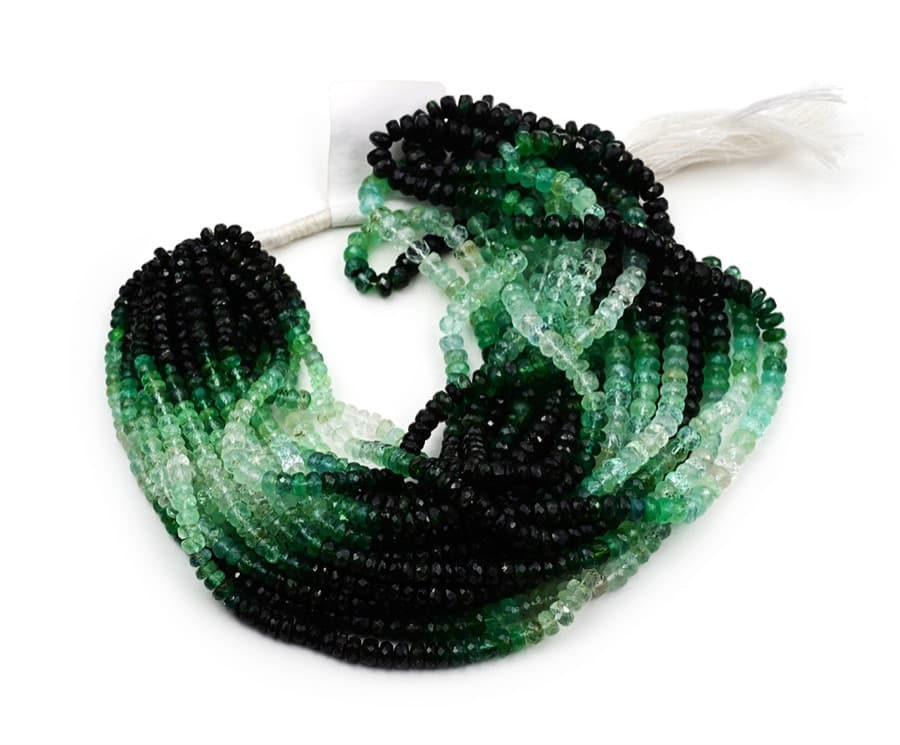
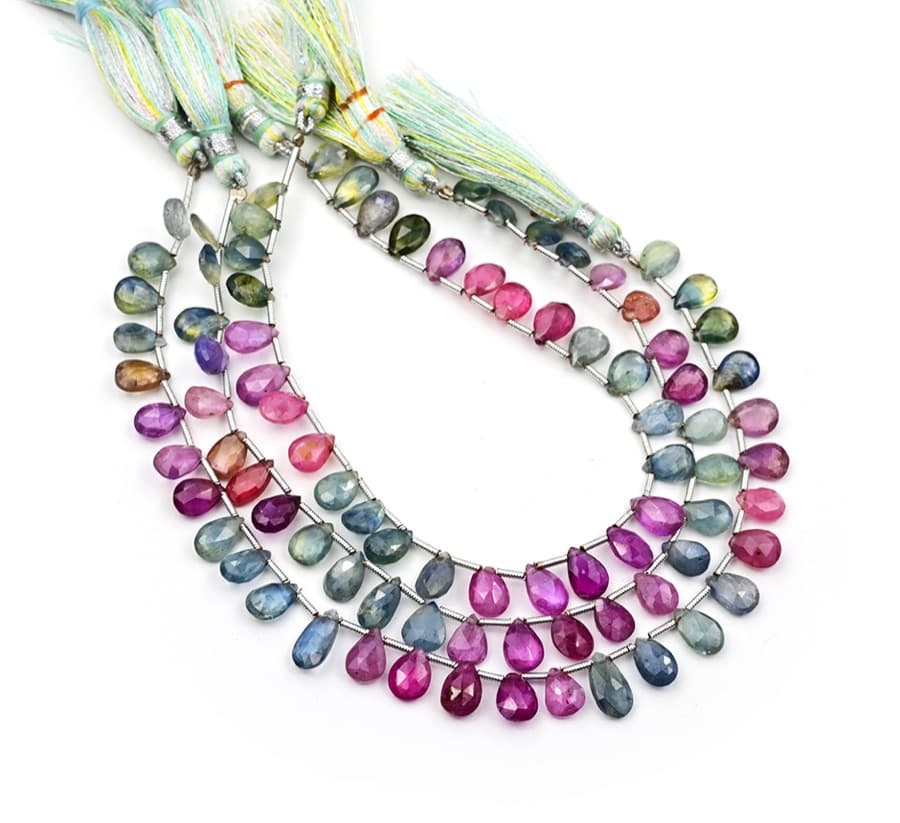 New
NewWhat do drill holes tell me?
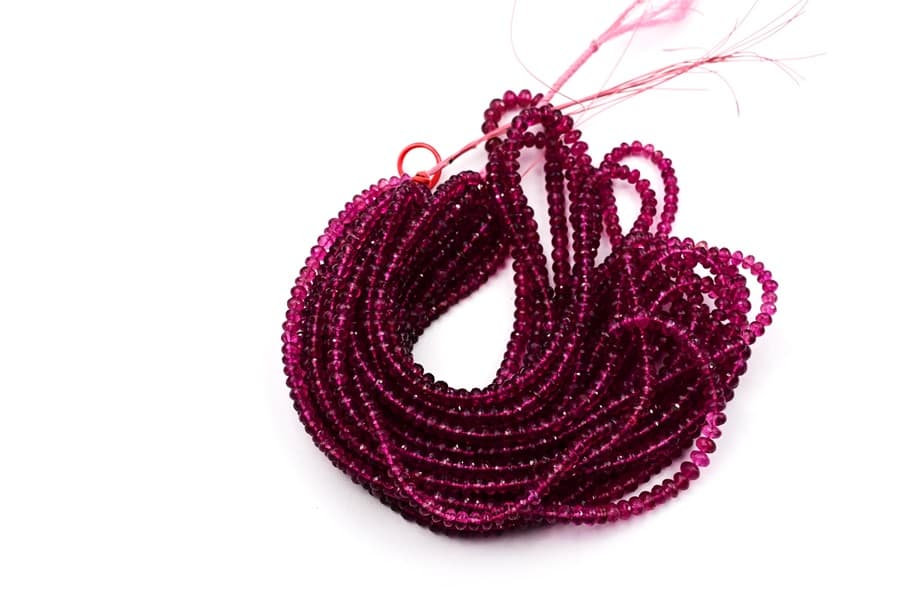
A loupe shows the truth. Look for clean, even holes without half-moon chips. Off-center drilling makes beads spin oddly on the string, which can ruin the line of a necklace.
Confirm the hole will take your stringing material. If you plan .010 to .012 beading wire or heavier cord, test a cutoff or bring a short scrap to try a few beads on the end of the strand. Strands shown on firm wire usually reflect realistic hole sizes.
How do I judge color and matching under show lights?
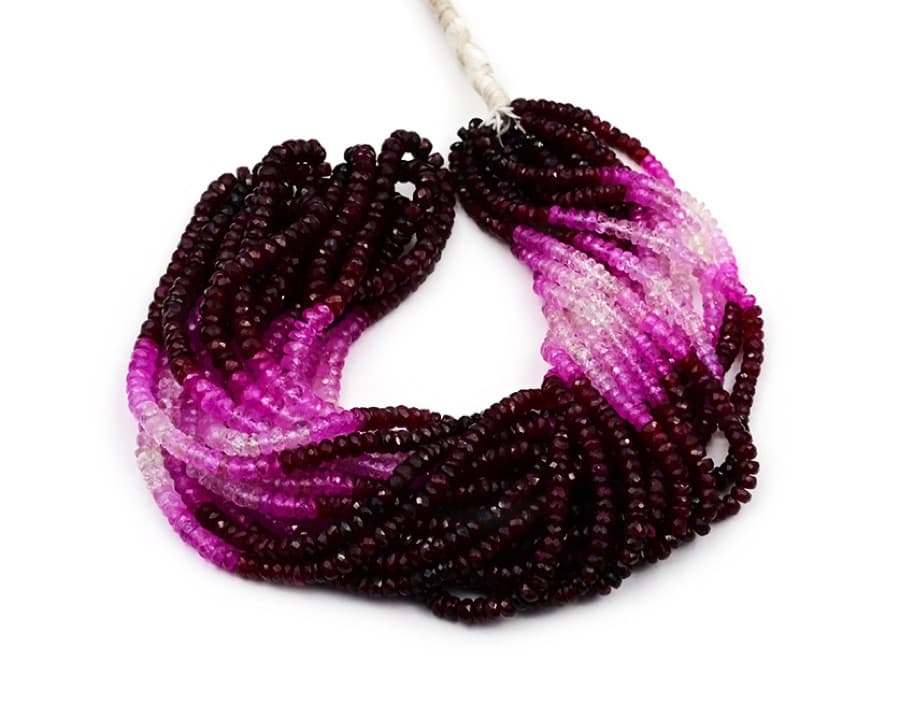
Use a white card and look for consistent hue and saturation across the run. Check transitions on shaded strands to be sure the graduation is smooth. Pull two or four beads aside for earring or bracelet pairs if that is your plan.
Shape affects what you check. Rondelles should look even in height so the strand lays flat. Pears need balanced pairs by length and width for earrings or symmetrical necklaces.
Are filler beads and strand length going to cut yield?
Look at the last inch on each end. Temporary spacers or odd chips there are common and should not be counted as usable beads. Decide how many clean, on-size beads you actually get from the middle of the strand.
If you will knot, remember each knot adds about 1 mm. That increases finished length and may reduce how many beads you need, so buying a strand with a few extras is usually smart.
What should I ask at the booth?
Ask for the stone name on the tag and the cutting origin. We import Jaipur-cut gemstone bead strands and label stone, shape, size and cut on every listing. You can see upcoming dates to check strands in person on our show schedule.
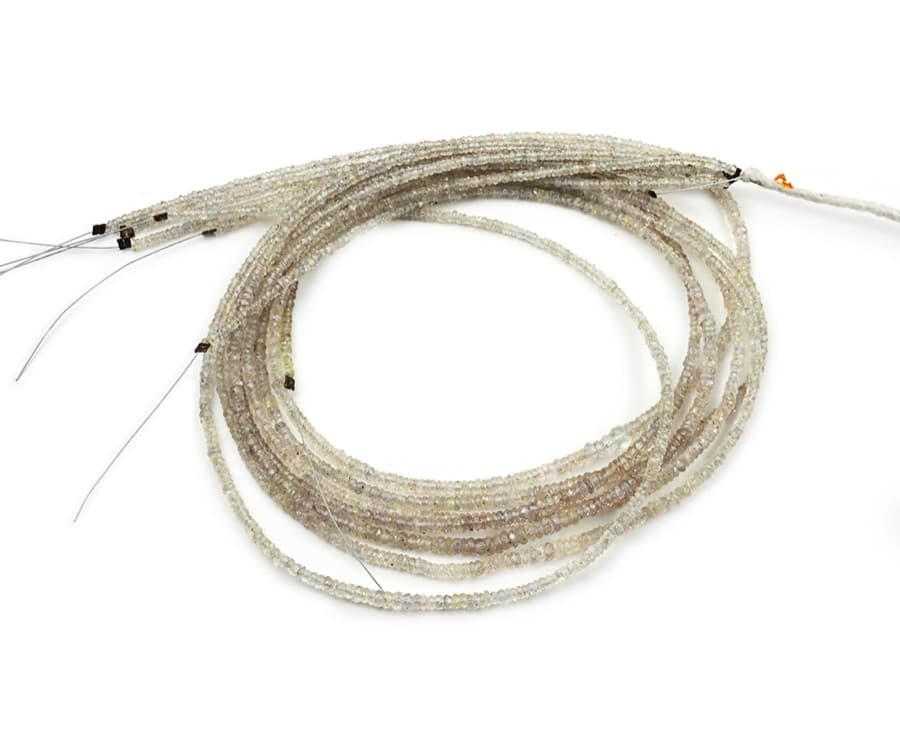
Want examples of the specs you will see on tags online too? Compare a gray sapphire rondelle like GS1611 with a shaded emerald rondelle like GS1628. For pears, review GS2465. Email tandongems@outlook.com or WhatsApp +1 408-702-7405 for counts and availability.